Down
Yorktown.  ヨークタウン.
 [歴史]ヨークタウン.
アメリカ、ヴァージニア州南東部にある村.
アメリカ独立戦争時にコーンウォーリスCornwallisの率いるイギリス軍がワシントンに降伏した地.
アメリカ海軍機雷戦学校の所在地.
Up
[歴史]ヨークタウン.
アメリカ、ヴァージニア州南東部にある村.
アメリカ独立戦争時にコーンウォーリスCornwallisの率いるイギリス軍がワシントンに降伏した地.
アメリカ海軍機雷戦学校の所在地.
Up Down
アメリカ① スループ
1839進水
50ケープ・ヴェルデ諸島で座礁事故により沈没.
UpDown
アメリカ ヨークタウン級砲艦
1710t
74.5m
Rx2/2 3400ihp 16knt
152mmIx6 6pdrIx2 3pdrIx2 1pdrIx1
37mmIx2 GMGx2 457mmTTx6
同型艦(3)
PG1 ヨークタウン.2
コンコード.ベニントン.
Up---------------------------------Down
アメリカ② ヨークタウン級砲艦(1/3)PG1
1888進水
1921売却.
UpDown
アメリカ ヨークタウン級空母
19800(CV8=19900)t
246.9x25.3(水線)33.2(最大)x6.6m
Tx4 120000shp 33knt 8220nm/20knt
127mmAAIx8 航空機81-90
乗員平時1889戦時2919
同型艦(3/)
CV5 ヨークタウン.6
エンタープライズ.8
(ホーネット).
1938計画空母として遅れて予定されたCV8は改ヨークタウン/ホーネット級空母として建造.
Up---------------------------------Down
アメリカ③ ヨークタウン級空母(1/3)CV5
USS
Yorktown class aircraft carrier.
Down
アメリカ① スループ
1839進水
50ケープ・ヴェルデ諸島で座礁事故により沈没.
UpDown
アメリカ ヨークタウン級砲艦
1710t
74.5m
Rx2/2 3400ihp 16knt
152mmIx6 6pdrIx2 3pdrIx2 1pdrIx1
37mmIx2 GMGx2 457mmTTx6
同型艦(3)
PG1 ヨークタウン.2
コンコード.ベニントン.
Up---------------------------------Down
アメリカ② ヨークタウン級砲艦(1/3)PG1
1888進水
1921売却.
UpDown
アメリカ ヨークタウン級空母
19800(CV8=19900)t
246.9x25.3(水線)33.2(最大)x6.6m
Tx4 120000shp 33knt 8220nm/20knt
127mmAAIx8 航空機81-90
乗員平時1889戦時2919
同型艦(3/)
CV5 ヨークタウン.6
エンタープライズ.8
(ホーネット).
1938計画空母として遅れて予定されたCV8は改ヨークタウン/ホーネット級空母として建造.
Up---------------------------------Down
アメリカ③ ヨークタウン級空母(1/3)CV5
USS
Yorktown class aircraft carrier.
 Illustrated
by Kiyochan.
1933計画空母としてニューポート・ニューズ造船所で34.5/21起工36.4/4進水37.9/30竣工し大西洋艦隊に編入
42太平洋艦隊に編入3/6空母(CV2)レキシントン等からなる第11任務部隊と合流/10レキシントン搭載機とラエ、サラモアを空襲し軽巡洋艦夕張、仮装巡洋艦(8624T)金剛丸、駆逐艦朝凪等を撃破5/1レキシントンと合流/7珊瑚海海戦で空母瑞鶴等からなる日本艦隊と交戦しレキシントンとともに空母祥鳳を撃沈/8大破後真珠湾で応急修理6/5ミッドウェー海戦で臨時配属された空母(CV8)ホーネットの第3戦闘飛行隊のグローヴス少尉等が死亡後日本機の爆撃を受けて行動不能となり掃海艇(AM52)ヴィリオが曳航中/7伊168の発射した魚雷を受けて護衛の駆逐艦(DD412)ハンマンとともに沈没.
Up---------------------------------Down
アメリカ 改ヨークタウン/ホーネット級空母
(1/1941)
CV8 ホーネット.
UpDown
USS Essex class aircraft carrier.
Illustrated
by Kiyochan.
1933計画空母としてニューポート・ニューズ造船所で34.5/21起工36.4/4進水37.9/30竣工し大西洋艦隊に編入
42太平洋艦隊に編入3/6空母(CV2)レキシントン等からなる第11任務部隊と合流/10レキシントン搭載機とラエ、サラモアを空襲し軽巡洋艦夕張、仮装巡洋艦(8624T)金剛丸、駆逐艦朝凪等を撃破5/1レキシントンと合流/7珊瑚海海戦で空母瑞鶴等からなる日本艦隊と交戦しレキシントンとともに空母祥鳳を撃沈/8大破後真珠湾で応急修理6/5ミッドウェー海戦で臨時配属された空母(CV8)ホーネットの第3戦闘飛行隊のグローヴス少尉等が死亡後日本機の爆撃を受けて行動不能となり掃海艇(AM52)ヴィリオが曳航中/7伊168の発射した魚雷を受けて護衛の駆逐艦(DD412)ハンマンとともに沈没.
Up---------------------------------Down
アメリカ 改ヨークタウン/ホーネット級空母
(1/1941)
CV8 ホーネット.
UpDown
USS Essex class aircraft carrier.  Illustrated by Kiyochan.
海軍11%拡張計画空母として1940.6/14計画承認されニューポート・ニューズ造船所に7/3発注41.12/1起工されたアメリカ、エセックス級空母(2/24+2+6、CV10)ボン・ノム・リチャードを
42.9/26戦没した先代艦を記念してヨークタウン④と改名43.1/21進水4/15ノーフォーク工廠で竣工
43.4/4艦長クラーク大佐
44.3//30パラオ沖で航空機乗員の救難任務用に待機していた潜水艦(SS282)タニイを搭載機が誤認攻撃.7改装工事実施
45.7/18横須賀を空襲し戦艦長門を撃破8/27相模湾入港
47.1/9予備役編入
51.5SCB27A改装工事に着手
52.10/1攻撃型空母(CVA10)
53.1工事完了
55.3SCB125改装に着手.10工事完了
57.9/1対潜空母(CVS-10)
66FRAMII改装実施
70.6/27予備役編入
73.6/1除籍後アラメダで博物館として保存(艦上のF6Fヘルキャット戦闘機は第5航空群司令時代のフラットレー中佐機を模して塗装)
2013現存.
UpDown
アメリカ⑤ タイコンデローガ級ミサイル巡洋艦(2/27)CG48
US Ticonderoga class guided missile cruiser
Illustrated by Kiyochan.
海軍11%拡張計画空母として1940.6/14計画承認されニューポート・ニューズ造船所に7/3発注41.12/1起工されたアメリカ、エセックス級空母(2/24+2+6、CV10)ボン・ノム・リチャードを
42.9/26戦没した先代艦を記念してヨークタウン④と改名43.1/21進水4/15ノーフォーク工廠で竣工
43.4/4艦長クラーク大佐
44.3//30パラオ沖で航空機乗員の救難任務用に待機していた潜水艦(SS282)タニイを搭載機が誤認攻撃.7改装工事実施
45.7/18横須賀を空襲し戦艦長門を撃破8/27相模湾入港
47.1/9予備役編入
51.5SCB27A改装工事に着手
52.10/1攻撃型空母(CVA10)
53.1工事完了
55.3SCB125改装に着手.10工事完了
57.9/1対潜空母(CVS-10)
66FRAMII改装実施
70.6/27予備役編入
73.6/1除籍後アラメダで博物館として保存(艦上のF6Fヘルキャット戦闘機は第5航空群司令時代のフラットレー中佐機を模して塗装)
2013現存.
UpDown
アメリカ⑤ タイコンデローガ級ミサイル巡洋艦(2/27)CG48
US Ticonderoga class guided missile cruiser 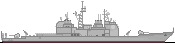 Illustrated by zono.
1980計画ミサイル巡洋艦としてヨークタウンで81.10/19起工式典を実施.12リットン・インガルス/パスカゴーラ造船所で実際に起工83.1/17進水84.7/4竣工し大西洋艦隊に編入
85.10シー・ジャックされたイタリア客船アキレ・ラウロの奪還に出動
97.9市販のパソコン16台、ソフトウェア(マイクロソフト、ウィンドウズNT)を使用して運用自動化実験(スマートシップ)を実施中、リモート・データ・ベース・マネージャーに0を誤入力した関係で、この0を数字で割ろうとしたコンピューターのバッファが溢れ返り、更にLANシステムを通じて全コンピューターがオーヴァーロードとなり、推進システムが制御不能となった関係で2時間45分に渡り航行不能
2004.12/3予備役編入.
Illustrated by zono.
1980計画ミサイル巡洋艦としてヨークタウンで81.10/19起工式典を実施.12リットン・インガルス/パスカゴーラ造船所で実際に起工83.1/17進水84.7/4竣工し大西洋艦隊に編入
85.10シー・ジャックされたイタリア客船アキレ・ラウロの奪還に出動
97.9市販のパソコン16台、ソフトウェア(マイクロソフト、ウィンドウズNT)を使用して運用自動化実験(スマートシップ)を実施中、リモート・データ・ベース・マネージャーに0を誤入力した関係で、この0を数字で割ろうとしたコンピューターのバッファが溢れ返り、更にLANシステムを通じて全コンピューターがオーヴァーロードとなり、推進システムが制御不能となった関係で2時間45分に渡り航行不能
2004.12/3予備役編入.
Since 27 Sep.
2002.
Last up-dated
26 Aug. 2013.



 The Encyclopedia of World ,Modern Warships.
Yorktown.
Ver.1.13a.
Copyright
(c)
hush ,2001-13. Allrights Reserved.
The Encyclopedia of World ,Modern Warships.
Yorktown.
Ver.1.13a.
Copyright
(c)
hush ,2001-13. Allrights Reserved.
Up
動画